
By: Jeff Heybruck
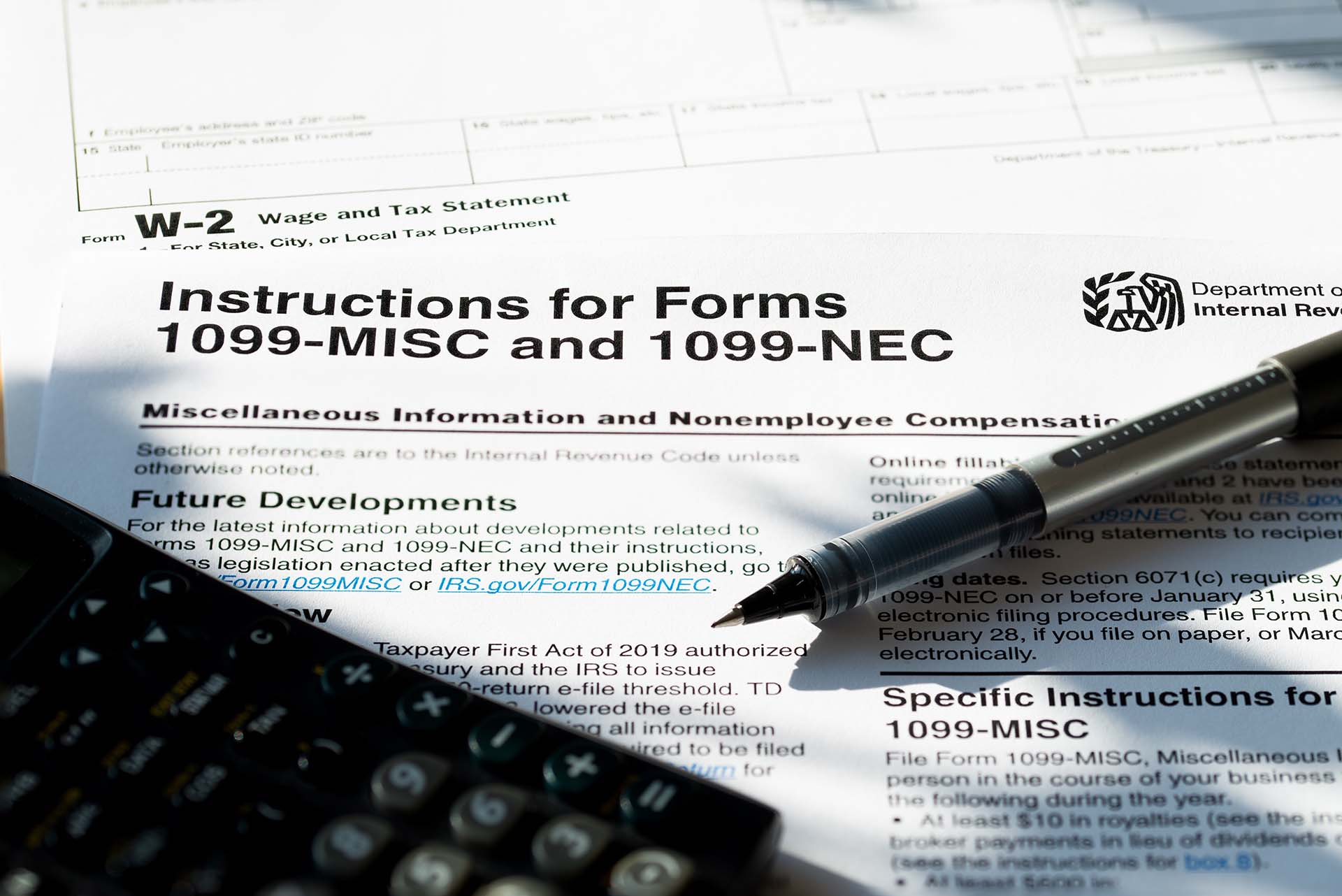
Starting with payments made in 2026, a business only has to issue a Form 1099-NEC or 1099-MISC to a contractor it pays $2,000 or more during the year. The old threshold was $600, and it had not moved since 1954. Think about that: $600 then is like $7,200 to $7,500 today. Clearly it was time for an update. The first filings affected are the ones due in early 2027.
Fewer forms is the headline. The more useful question for business owners is whether this should change how they work with contractors. In a few places, it should. In most, the right move is to hold steady, and to make sure a smaller filing list doesn’t quietly cost you visibility into who you pay.
The Facts in Brief
- The new threshold. Form 1099-NEC and 1099-MISC reporting now applies to payments of $2,000 or more in a calendar year, for payments made on or after January 1, 2026. Payments made in 2025 still follow the $600 rule. (IRS: Am I required to file a Form 1099?)
- Inflation indexing. Beginning in 2027, the $2,000 figure will be adjusted for inflation each year, so check the current number annually. (IRS Publication 1099)
- Backup withholding moved with it. The same $2,000 threshold now applies to backup withholding on these payments. (IRS Instructions for Forms 1099-MISC and 1099-NEC)
- Form 1099-K reverted. Payment apps and processors only issue a 1099-K when a payee exceeds $20,000 and 200 transactions in a year. (IRS: Form 1099-K FAQs)
The change comes from the federal tax law signed in July 2025 (Public Law 119-21).
What Should Change
- Your filing list. Occasional vendors under $2,000 drop off. For trades businesses that use a long list of small subs and service providers, that is real time saved in January.
- Your policy on voluntary filing. You can still issue a 1099 for smaller payments, and some contractors will ask for one. Decide whether you will and apply it the same way to everyone.
- Your system settings. Make sure your accounting software applies $2,000 to 2026 payments and $600 to any 2025 corrections. A report built on the old number will hand you a longer list than you need.
What Shouldn’t Change
- Collecting W-9s up front. You rarely know in January which vendors will cross $2,000 by December. Get a W-9 before the first payment, every time. Without a valid taxpayer ID, reportable payments can trigger backup withholding at 24 percent.
- Tracking totals by payee. The threshold applies to everything you paid one contractor during the calendar year, counted by the date the money went out. Five $500 invoices add up to a 1099 as surely as one $2,500 invoice.
- Worker classification. The threshold is a reporting rule only. Whether someone is a contractor or an employee still depends on how much control you have over the work, not on how much you pay them. (IRS: Form 1099-NEC and Independent Contractors)
- The contractor’s tax bill. The income is still taxable whether or not they receive a form from you.
- State requirements. Some states set their own reporting rules and may not follow the federal number. Confirm with your tax preparer.
The threshold decides which forms you file. It doesn’t decide what you need to know about who you pay.
The Strategic Question
For many owners, the January 1099 run doubled as the one time each year they looked at every outside vendor in one place. With fewer forms, that review gets smaller by default. The spending doesn’t.
That makes this a good moment to replace a compliance habit with a management habit:
- Review contractor spend on purpose. Look at total outside labor by vendor and by job, at least quarterly. Small, frequent payments under the threshold can add up to a meaningful share of your costs.
- Watch the recurring names. A contractor you use every month may cost more than a part-time hire, or less. Either way, it is a decision worth making with the numbers in front of you.
- Don’t let the threshold shape the work. Splitting jobs across vendors or pushing payments into January to stay under $2,000 saves a form, not a dollar of tax, and leaves records that are harder to read later.
- Keep contractor costs on the jobs they belong to. Sub costs that land in a general expense account make job margins look better than they are.
Where This Shows Up in QuickBooks
- Flag every contractor as a 1099 vendor and store W-9 details on the vendor record, even if you don’t expect them to reach $2,000.
- Map expense accounts to the right 1099 boxes so materials and reimbursements don’t inflate the totals.
- Run your contractor payment report in December, while there is still time to collect missing W-9s.
- Confirm the report applies the new threshold to 2026 payments and leaves out card payments, which processors report instead.
Official IRS Resources
- Am I required to file a Form 1099 or other information return?
- Instructions for Forms 1099-MISC and 1099-NEC
- Publication 1099, General Instructions for Certain Information Returns
- Form 1099-NEC and Independent Contractors
- IRS FAQs on the Form 1099-K threshold
Getting Ahead of January
The new threshold makes filing season lighter for most small businesses. The owners who get the most from it will be the ones who use the time saved to look harder at what they spend on outside help.
If your contractor records live partly in QuickBooks and partly in someone’s memory, Lucrum can help. We’ll clean up vendor records, set up 1099 tracking correctly and build a contractor spend review into your reporting, so you start the new year with Confidence in the Numbers. Schedule a complimentary consultation to get started.
Questions? Contact Us Below.
- Related Articles -

By: Jeff Heybruck Ask most business owners what the company spent on fuel last year, and they can usually get close. Ask how much...

By: Jeff Heybruck Picture a contractor who just wrapped up a kitchen remodel. The estimate called for a 28 percent margin. The job report...

By: Jeff Heybruck Every business owner knows the feeling. Sales are up three months in a row, the phones won’t stop ringing, and it...